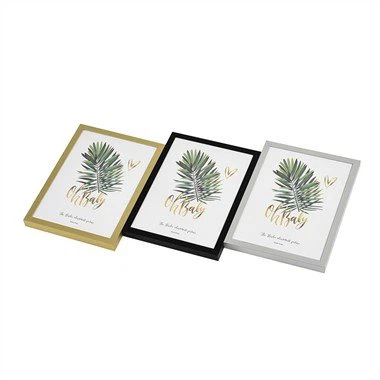
What Are The Disadvantages Of Acrylic Photo Frames?
Dec 21, 2023
Introduction
Acrylic photo frames have become increasingly popular in recent years due to their sleek and modern design. They are lightweight, durable, and a great alternative to traditional glass frames. However, like any other product, there are also disadvantages that should be considered before making a purchase.
What are acrylic photo frames?
Acrylic photo frames are made of a clear, synthetic material known as acrylic. It is a type of plastic that is notably more transparent and more durable than traditional glass. This material is commonly used in various industries, including photography, sign-making, and automotive manufacturing.
Acrylic photo frames are popular among photography enthusiasts because they provide a high level of protection for their precious images while enhancing their visual appeal. They come in an array of sizes and styles, from small desk frames to large wall-mounted frames. However, with all of these benefits, there are also some potential drawbacks to consider.
Disadvantages of acrylic photo frames**
**1. Prone to scratching
Despite its durability, acrylic is more prone to scratching than glass. This means that over time, the surface of the acrylic photo frame may become scuffed and dull. Scratches can be especially noticeable in areas where the frame is repeatedly touched or bumped, such as on a desk or tabletop.
One way to prevent scratching is to purchase an acrylic photo frame with a protective film covering the surface. This film can be removed once the frame is in use, providing an extra layer of protection against scratches.
2. Vulnerable to yellowing
Acrylic is susceptible to yellowing over time, especially when exposed to ultraviolet (UV) rays. This can result in a yellowish tint to the frame, which can be especially noticeable on white or light-colored images.
To prevent yellowing, it is important to keep acrylic photo frames away from direct sunlight and other sources of UV radiation. It is also recommended to purchase a frame with a UV-protective coating to minimize yellowing.
3. Not as clear as glass
Although acrylic is highly transparent, it is not entirely clear like glass. When compared side-by-side, glass generally appears more pristine and clear, while acrylic can have a slightly frosted or hazy appearance. This can be especially noticeable when the acrylic photo frame is placed in front of a bright background or light source.
However, this difference may not be noticeable to the average observer, and the benefits of acrylic photo frames often outweigh this slight disadvantage.
4. Can warp under extreme heat
Acrylic photo frames are more heat resistant than glass, but they can still warp under extreme heat. This can cause the frame to become misshapen or even crack, which can be especially concerning when the frame is housing a valuable image.
To prevent warping, acrylic photo frames should be kept away from heat sources such as radiators, fireplaces, and direct sunlight. It is also important to select a frame with a high melting point to reduce the risk of warping.
5. More expensive than traditional glass frames
Acrylic photo frames are generally more expensive than traditional glass frames. This is due to the higher cost of production and the added benefits of durability and protection that acrylic provides.
However, for individuals looking for a high-quality frame that will protect their images for years to come, the extra expense of an acrylic photo frame may be well worth it.
Conclusion
Acrylic photo frames offer a range of benefits, including durability, protection, and a sleek modern design. However, they are also prone to scratching, yellowing, and warping under extreme heat. Additionally, acrylic is not entirely clear like glass, and it can be more expensive than traditional glass frames.
Despite these potential drawbacks, acrylic photo frames continue to be a popular choice among photography enthusiasts and interior designers. When choosing a frame, it is important to consider the advantages and disadvantages of each material to make an informed decision based on your individual needs.